Uncovering Linkages Between Search Engine Algorithm Tweaks and Visibility Patterns in Recurring Digital Promotion Ecosystems
Zara Reed · Nov 28, 2026
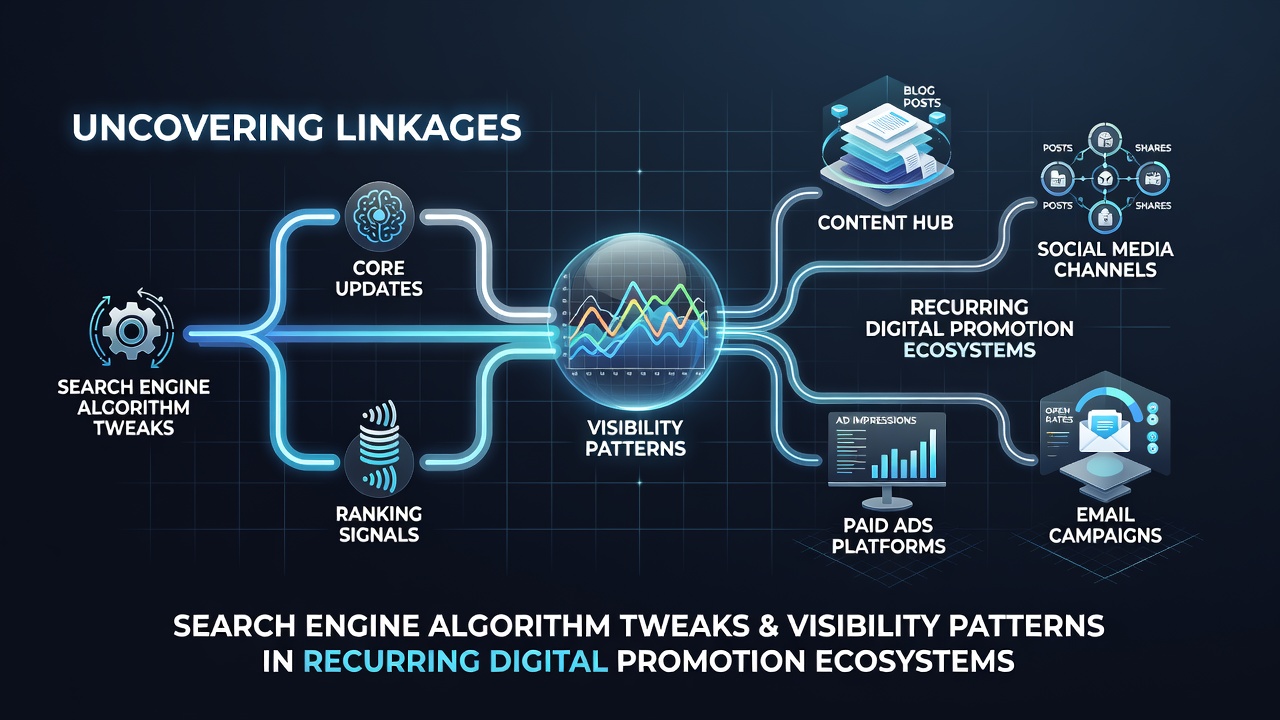
Uncovering Linkages Between Search Engine Algorithm Tweaks and Visibility Patterns in Recurring Digital Promotion Ecosystems
Search engine algorithm adjustments have long shaped how sites focused on recurring digital promotions maintain their positions in results pages, and observers note clear connections between these tweaks and shifts in traffic patterns across promotion ecosystems. Data from industry monitoring services shows that updates targeting content quality and user signals often lead to rapid changes in rankings for platforms listing ongoing contests and giveaways, while those failing to adapt see sustained drops in organic reach.
Tracing Core Updates Through Promotion Site Performance
Google's core updates, released several times each year, frequently correlate with visibility fluctuations on sites that aggregate recurring promotional opportunities, because these adjustments evaluate factors like content freshness and relevance to user queries about daily or weekly draws. Research from academic institutions tracking digital marketing trends indicates that sites emphasizing structured data and updated entry guidelines tend to recover faster after such changes, whereas those with outdated listings experience prolonged demotions in search results. One analysis of traffic logs from multiple promotion networks revealed that a 2024 core update reduced visibility for pages lacking recent activity indicators by up to 40 percent in affected regions.
But here's the thing, the linkages extend beyond single updates, as cumulative effects from spam detection refinements and mobile-first indexing continue to influence how recurring promotion content surfaces globally. Experts tracking these patterns point to increased emphasis on E-E-A-T signals, which reward sites demonstrating consistent expertise in contest rules and eligibility details through regular profile maintenance and transparent sourcing.
Regional Data and Visibility Correlations
Figures from regulatory bodies across different regions, including reports compiled by the Australian Competition and Consumer Commission on digital advertising practices, highlight how algorithm tweaks can amplify or diminish cross-border participation rates in recurring promotions. Sites optimized for local query variations often retain stronger visibility curves, while others face barriers when search engines prioritize region-specific compliance signals in their evaluations.
What's interesting is the role of structured content in mitigating these impacts, as promotion ecosystems incorporating schema markup for event dates and prize structures demonstrate more stable performance post-update. Data indicates that networks synchronizing their content calendars with announcement cycles see steadier retention in search rankings compared to those with irregular updates.
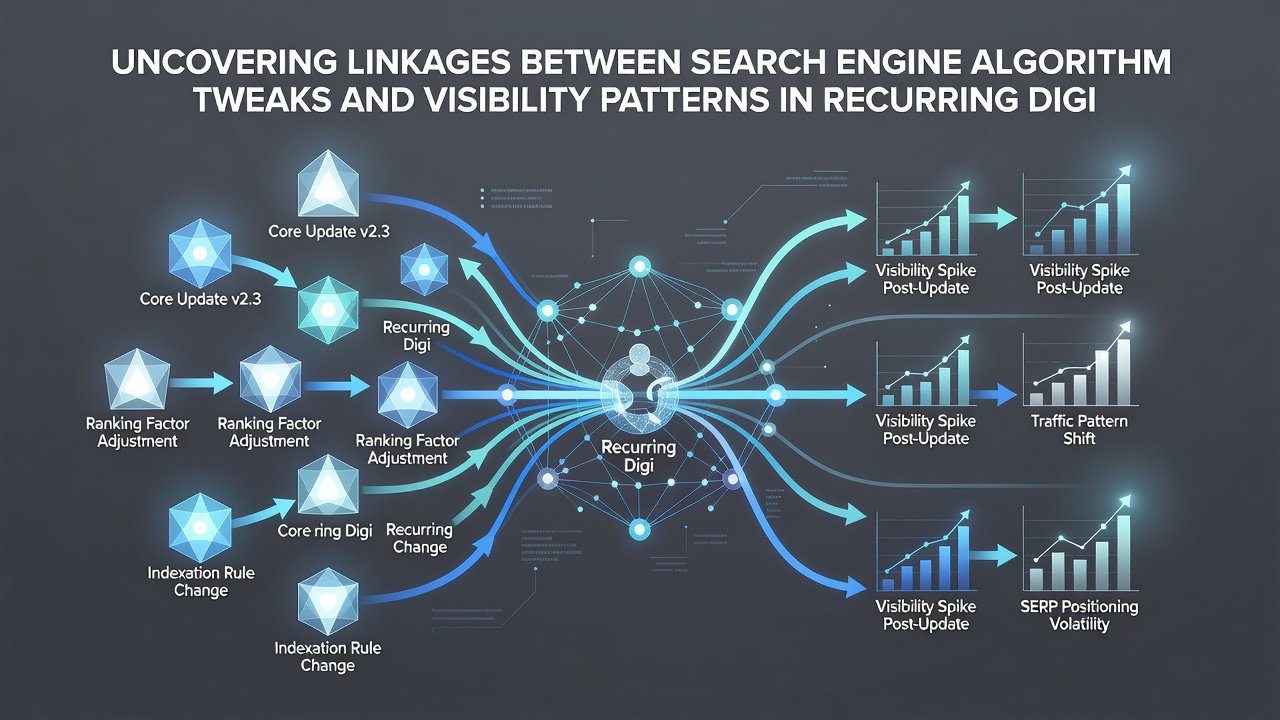
Examining Patterns Around Projected 2026 Developments
Monitoring of search trends suggests that anticipated refinements scheduled around November 2026 may further emphasize real-time content verification, particularly for ecosystems handling recurring entries and multi-platform registrations. Those who've studied prior cycles know that sites maintaining synchronized data across devices and time zones often experience less disruption, because algorithm models increasingly incorporate user behavior metrics tied to accessibility and accuracy.
Industry reports from organizations like the Interactive Advertising Bureau reveal correlations between profile update frequency and sustained access to top result positions, with promotion networks that refresh eligibility information seeing improved resilience. And yet the ball remains in the court of site operators to align their practices with these evolving signals, since failure to do so frequently results in visibility curves that flatten over multiple update cycles.
Adaptation Strategies Observed in the Field
Case examples from promotion platforms show that integrating feedback loops for user queries about contest mechanics helps stabilize visibility after tweaks focused on helpful content. Researchers at various universities have documented how ecosystems balancing daily draws with longer-term campaigns maintain steadier traffic flows, as search engines reward comprehensive coverage over fragmented listings.
One study revealed that platforms coordinating registration deadlines with global events retained higher equity in international searches, while others encountered dips when algorithms prioritized localized relevance. These patterns underscore the importance of ongoing technical alignments, including compatibility checks that keep pace with platform shifts.
Conclusion
Overall, the evidence points to direct linkages between search engine algorithm adjustments and visibility outcomes in recurring digital promotion ecosystems, where proactive content management and data synchronization play measurable roles in performance stability. Continued observation of these dynamics will likely inform future strategies as updates evolve through 2026 and beyond.