Decoding Algorithmic Filters That Prioritize High-Engagement Profiles During Recurring International Draw Selections
Zara Reed · Oct 31, 2026
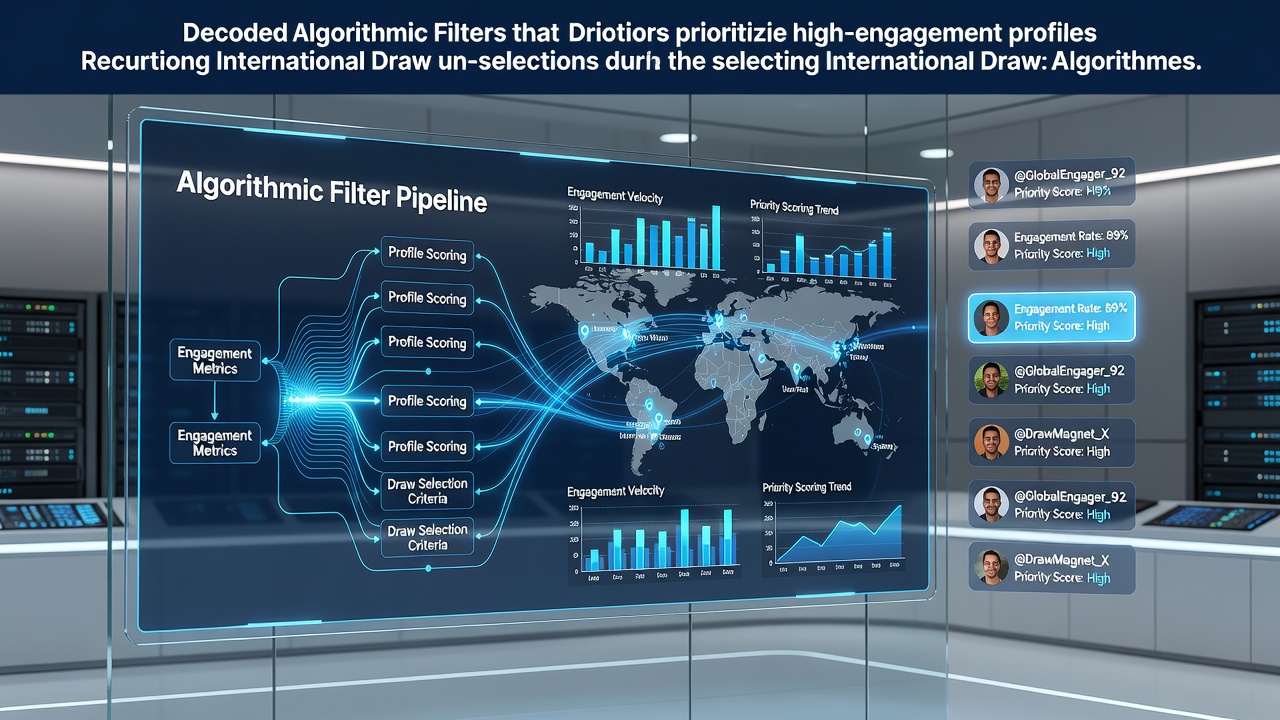
Decoding Algorithmic Filters That Prioritize High-Engagement Profiles During Recurring International Draw Selections
Platforms running recurring international draws apply algorithmic filters that score participant profiles based on measurable engagement signals, and these systems determine which entries advance through selection stages in daily or weekly prize events. High-engagement profiles receive elevated scores when users complete actions such as sharing entries, completing profile updates, or interacting with platform content on a consistent basis. Researchers tracking these mechanisms note that the filters operate by assigning weighted values to each action, then ranking profiles against one another before the random draw component activates.
Data from multiple contest networks shows that engagement thresholds vary by region and promotion frequency, yet the core process remains consistent across borders. A user who logs in daily and refers contacts may accumulate points faster than someone who submits entries without further interaction, which shifts the probability distribution even though final selections incorporate randomness. Observers note that these layered filters emerged as platforms scaled operations to handle thousands of entries from dozens of countries simultaneously.
How Engagement Scoring Integrates With Draw Mechanics
Algorithmic systems first categorize profiles into tiers according to accumulated engagement data collected over preceding weeks or months, and higher tiers receive priority placement in the pool before random number generators finalize outcomes. This sequencing means that while every eligible entry still participates in the draw, profiles with stronger activity histories occupy more slots in the initial filtered set. Studies on platform behavior indicate that the weighting formulas adjust periodically based on overall participation trends, which prevents any single metric from dominating across all events.
Take one analysis conducted across North American and European networks where experts examined entry logs from 2024 through mid-2026. The review revealed that profiles maintaining weekly interaction rates above a defined benchmark advanced to the final selection stage at rates measurably higher than low-activity accounts, even when entry volumes remained comparable. Those patterns hold across recurring draws because the algorithms treat sustained engagement as a proxy for account authenticity and platform loyalty.
Regional Variations in Filter Application
International platforms adapt engagement filters to comply with local data regulations, which creates noticeable differences in how profiles from various countries accumulate scores. In markets governed by stricter privacy rules, fewer behavioral signals enter the calculation, whereas regions with broader data permissions allow more granular tracking of shares and comments. Australian Competition and Consumer Commission reports on digital platform practices highlight similar tiered approaches in consumer-facing promotions, showing how engagement data influences visibility without violating eligibility standards.
Platforms also synchronize these filters with timezone alignments so that users in different hemispheres maintain equivalent opportunities during overlapping registration windows. The adjustments occur automatically through backend rules that normalize activity timestamps before scoring occurs.
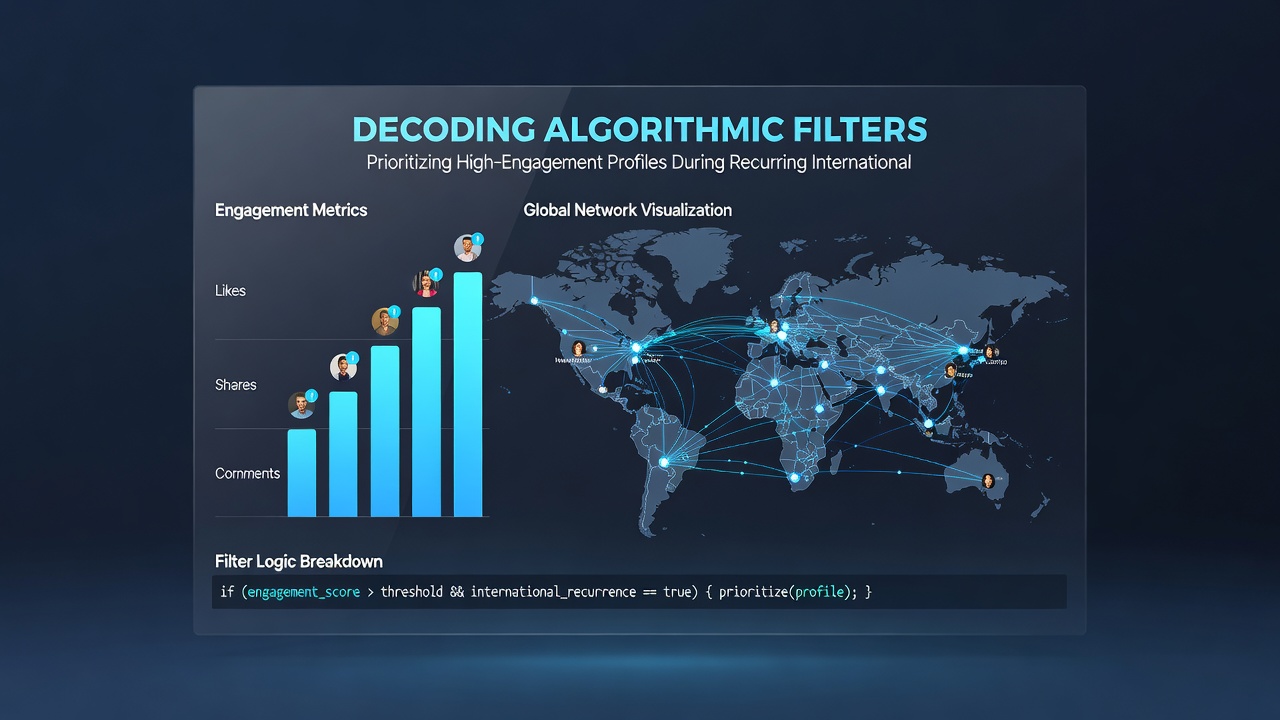
October 2026 Platform Adjustments
Several major networks announced updates scheduled for October 2026 that refine engagement weighting to incorporate new metrics such as verified email response rates and cross-device consistency checks. These changes aim to reduce artificial inflation of scores while preserving the priority system for genuinely active participants. Academic research from institutions monitoring algorithmic transparency notes that such revisions typically follow periods of rapid growth in global user bases, allowing operators to recalibrate without disrupting existing qualification standards.
The updates also address correlations between profile maintenance habits and sustained access, as documented in earlier industry reviews. Users who regularly update contact information and confirm eligibility details tend to retain higher tier placements under the revised formulas, which reinforces the connection between ongoing platform interaction and selection advantages.
Implications for Multi-Contest Participation
Participants who enter multiple recurring draws across different platforms encounter compounded effects from these filters because each network applies its own engagement thresholds independently. Data indicates that individuals who align their activity patterns with each platform's preferred signals achieve more consistent advancement rates over time. Regulatory bodies in Canada and the European Union have issued guidance requiring clearer disclosure of how such scoring influences outcomes, which has prompted some operators to publish high-level overviews of their weighting systems.
What's interesting is how these disclosures still leave room for variation in actual implementation, since the precise formulas remain proprietary. External audits conducted by research groups continue to track whether the filters produce measurable disparities across demographic groups or geographic zones, providing ongoing datasets for further analysis.
Conclusion
Algorithmic filters that prioritize high-engagement profiles form a standard component of modern international draw operations, and their influence extends through every stage from entry submission to final selection. Continued monitoring by regulatory agencies and academic researchers supplies the factual basis for understanding how these systems evolve, particularly as platforms prepare for the October 2026 adjustments and beyond. The interplay between engagement scoring and random selection mechanics remains central to how recurring draws function across borders.